Ecommerce SEO Consultants
Product and Category Page SEO
Most stores put their effort into product pages and wonder why the traffic never comes. The searches with real volume are usually broader than a single product, which means the category page is the one with a chance of ranking.
Category pages are also the ones most often left as a grid of thumbnails with no copy and a title lifted from the menu. Given something to work with, they can carry a large share of a store’s organic revenue.
Product pages then have their own problem: the manufacturer description that a hundred other retailers are also using. Search engines have no reason to prefer your copy of it, so the pages that win are the ones that say something the others do not.
What We Do
From category pages and product content through to faceted navigation and revenue reporting, our ecommerce SEO covers every stage of turning a catalogue into organic sales. Select a service below to find out more.
Building the pages that can actually rank for the searches with volume behind them, with copy, structure and internal linking that gives search engines a reason to prefer them. Get in touch to talk about your category pages.
Find Out MoreReplacing manufacturer descriptions with something distinct, and prioritising by what is worth the effort rather than working alphabetically through ten thousand products. Get in touch to talk about product content.
Find Out MoreFilters and sort options can generate thousands of near identical URLs that swallow crawl budget and compete with the pages you care about. We set the rules that keep the useful ones and hide the rest. Get in touch to talk about your site structure.
Find Out MoreOut of stock products, discontinued lines and seasonal ranges all need handling deliberately, otherwise a store quietly accumulates dead pages and broken links as the catalogue turns over. Learn more about our Shopify and ecommerce development services.
Find Out MoreRankings are a means to an end for a store. We report on organic revenue, on which categories are growing and on what the work returned, rather than on position changes for terms nobody buys from. Get in touch to talk through your reporting.
Find Out More
Category Page Optimisation
Building the pages that can actually rank for the searches with volume behind them, with copy, structure and internal linking that gives search engines a reason to prefer them. Get in touch to talk about your category pages.
Find Out MoreProduct Page Content
Replacing manufacturer descriptions with something distinct, and prioritising by what is worth the effort rather than working alphabetically through ten thousand products. Get in touch to talk about product content.
Find Out MoreSite Architecture & Faceted Navigation
Filters and sort options can generate thousands of near identical URLs that swallow crawl budget and compete with the pages you care about. We set the rules that keep the useful ones and hide the rest. Get in touch to talk about your site structure.
Find Out MoreTechnical Health for Large Catalogues
Out of stock products, discontinued lines and seasonal ranges all need handling deliberately, otherwise a store quietly accumulates dead pages and broken links as the catalogue turns over. Learn more about our Shopify and ecommerce development services.
Find Out MoreReporting on Revenue, Not Rankings
Rankings are a means to an end for a store. We report on organic revenue, on which categories are growing and on what the work returned, rather than on position changes for terms nobody buys from. Get in touch to talk through your reporting.
Find Out More




How We Do It
We start with where you actually stand. What the site can rank for today, what is holding it back, and which of those problems is worth solving first.
From there we build a prioritised plan, ranked by the impact we expect each piece of work to have rather than by how easy it is to tick off.
Then we do the work and show it. You get plain English reporting on what changed, what moved and what is next, with no monthly document full of charts nobody reads.

Why Us
We have been growing organic traffic from our base in Surrey since 2005, across every algorithm update and every shift in how search works. SEO works better connected to everything else. We run your ecommerce SEO alongside your paid media, so search data informs the ads and the ads tell us which terms are worth the organic effort. Your work runs through CampAIgnHub, our own performance and project management platform, so you can see what is live and what each piece of work delivered. We are independent, which means every client gets senior attention rather than being handed down the ranks. That holds whether you are a local business or a national brand.. You get a named team who take the time to understand your business, honest reporting on what is and is not working, and a partner who treats your business like our own.
Featured Case Studies
For over 21 years we’ve helped ambitious brands grow — pairing creative that gets noticed with media that performs. Explore the work to see how we turn intent into measurable results.
View All

Reptile Centre
The Challenge According to insights provided by Google, the reptile and amphibian market was growing 14% year on year. Broadplace’s account management…
See project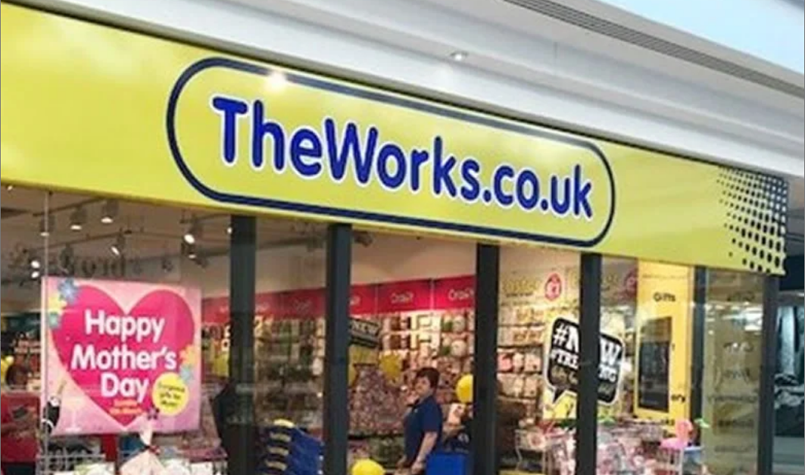

The Works
The Challenge The Work’s annual objective was to increase revenue whilst maintaining efficiencies. The target was to generate a 30% increase in…
See project
Mercedes Benz
The Challenge The three main objectives of the Retail Group’s campaigns were to drive measurable leads across a key range of focus…
See project
JBR Capital
The Challenge JBR Capital had invested significantly in PPC over 2-3 years, but increasing competition and a confusing account structure meant it…
See project
The Impact
Organic traffic to a store does not stop when the budget does. A category page that ranks keeps selling every month without a cost per click attached, which changes the economics of the whole account.
It also lowers what you can afford to pay elsewhere. Stores with strong organic positions can be more selective about which products they advertise, rather than paying for every sale they make.
Talk to our team about your ecommerce SEO today.
Frequently Asked Questions
Broadly yes. It handles speed, security and mobile well out of the box. Its known weak points are a URL structure that creates duplicate paths to products through collections, and default templates that leave category pages thin. All fixable, and worth fixing early rather than after the catalogue has grown.
It scales with catalogue size and competition. A few hundred products is a very different job to fifty thousand with faceted navigation on top. We scope against your store and agree the price upfront, before any work begins.
Most often the description is the manufacturer's, which a hundred other retailers are also using, so there is no reason to prefer yours. After that it is usually that the search has more volume at category level, meaning the category page is the one that should be ranking, not the individual product.
Scale and duplication. You are dealing with thousands of similar pages, filters generating thousands more, products going out of stock and lines being discontinued. The principles are the same. The work is about managing them systematically rather than page by page.
Not if you want the page to rank. Identical copy across dozens of retailers gives search engines nothing to choose between you on. Rewriting everything at once is rarely realistic, so we prioritise by what is worth the effort and work down from there.
Paid ads if you need sales this quarter, since they work immediately. SEO if you are building something that costs less to run over time. Most stores need both, with paid carrying the near term revenue while organic positions build underneath and gradually reduce what you need to spend.
Category and technical work can move within weeks on an established store. Building organic revenue to a level that meaningfully changes the business usually takes several months. Newer stores take longer, because there is less history for search engines to weigh.
For traffic, usually yes. The searches with real volume tend to be broader than one product, and that is what a category page answers. Product pages matter for the specific searches where someone already knows exactly what they want, which convert well but are fewer.
Technical health across the catalogue, category page optimisation, product content priorities, site architecture and faceted navigation rules, internal linking, and reporting on organic revenue rather than on rankings alone.
Often more so, because a smaller store can compete in specific niches where the large retailers are not paying attention. Trying to outrank the biggest names on their strongest terms is not realistic. Owning the searches they treat as an afterthought usually is.

Ready to Chat?
Tell us what you’re planning or what you’d love to achieve and we’ll explore how we can help your business grow — no obligation, just a friendly conversation.
Book a Strategy CallRelated Content

How GEO Is Changing PPC: 10 Strategies Every Paid Search Team Needs to Know

Generative Engine Optimisation (GEO): What It Is and Why It Matters

Google’s agentic future meets a growing demand for search alternatives

A cautious arrival of ads in ChatGPT

The Businesses Winning at Lead Generation Are Measuring Different Things
Broadplace Is Now an Official Shopify Partner

Top-Tier Partners with Both Microsoft and Google
Broadplace Awarded Google Premier Partner Status for 2026